
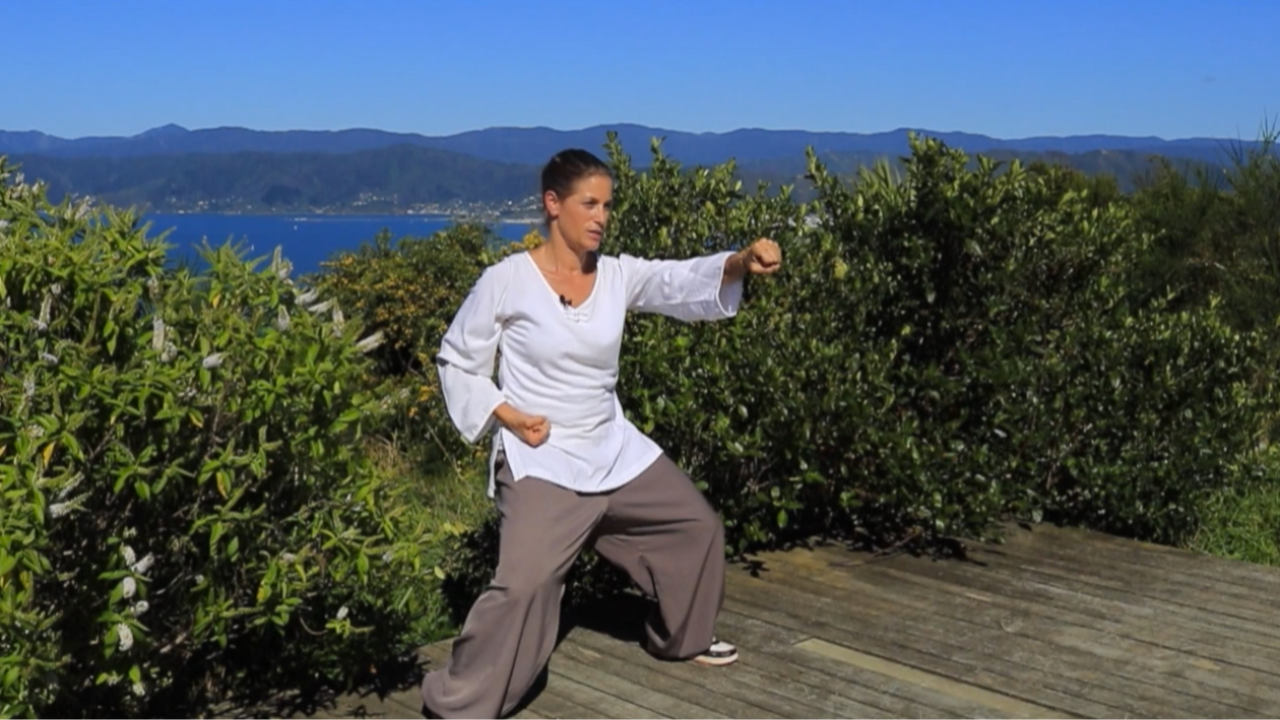
The name Qigong was adopted in the 1950s to describe a wide system of practices that promote physical, mental, and spiritual well-being. Before then, these methods were known by different names, including Daoyin, Tuna, Chanding, and Neidan, each referring to a different tradition or method of cultivation.
Qi and Energy
These practices cultivate and strengthen the body's internal energy, known as Qi. In Traditional Chinese Medicine, Qi is understood as the vital life force that flows throughout the body and also connects us with the natural world. It is constantly moving and transforming to sustain all life. The essence of Qigong is to cultivate and guide the flow of Qi through the body's meridians, promoting harmony between Qi, blood, and the organ systems.
Philosophy
Qigong is closely aligned with ancient Chinese philosophy and Traditional Chinese Medicine, including the principles of Yin and Yang. Through coordinated breathing, focused intention, and mindful movement, Qigong helps restore balance between Yin and Yang and supports the smooth flow of Qi.
The 5 Elements
Qigong is also influenced by the Five Elements theory, which describes the relationships and patterns found in nature and within the human body. Each element is associated with particular organs, emotions, seasons, and qualities. Wood represents growth and flexibility. Fire symbolizes warmth and vitality. Earth provides stability and nourishment. Metal is associated with structure and clarity. Water reflects stillness, adaptability, and inner strength. Together, these elements provide a framework for understanding balance, health, and the natural cycles of life.
The Meaning of Qigong
While Qi refers to the body's vital life force, Gong means skill cultivated through consistent practice and dedicated effort. Together, Qigong can be understood as the practice of cultivating Qi through disciplined training.
Practice
Qigong includes both static, meditative practices and dynamic forms of movement. Exercises may involve standing, gentle stretching, coordinated breathing, tapping, and flowing movements. Rooted in Chinese philosophy, medicine, and martial arts, these ancient practices help unite the body, breath, and mind while fostering harmony with nature.
The Three Regulations
Qigong is founded on three essential principles: regulating the body through movement, regulating the breath through natural abdominal breathing, and regulating the mind through focused intention. When these three elements work together, the body relaxes, the breath deepens, and the mind becomes calm and focused. With regular practice, Qigong develops greater vitality, concentration, and inner tranquility.
Stay connected with news and updates!
Join our mailing list to receive the latest news and updates from our team.
Don't worry, your information will not be shared.
We hate SPAM. We will never sell your information, for any reason.
